
As women move through their 30s, 40s, and 50s, hormones begin shifting—and cholesterol levels often shift with them. Many don’t realize that perimenopause can naturally raise LDL cholesterol, even when nothing else in their routine has changed.
For decades, the typical response has been prescription statins.
But there’s also a natural option that has been used for centuries to support cardiovascular health—and it’s gaining renewed attention among women looking for a gentler, more holistic approach.
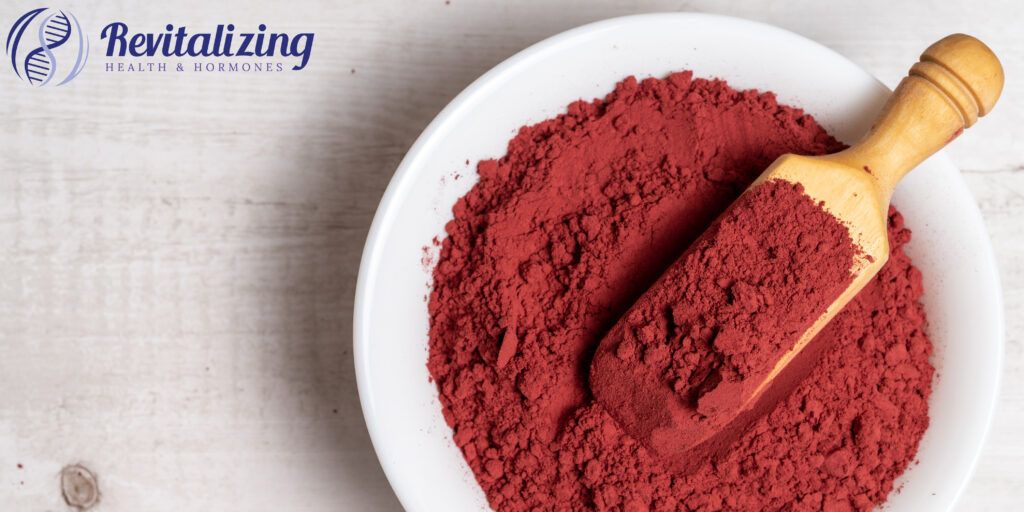
It’s called Red Yeast Rice.
At Revitalizing Health & Hormones in Altoona / Eau Claire, we believe women deserve to understand all their options, especially when navigating hormone‑driven metabolic changes. Here’s what you should know.
What Is Red Yeast Rice?
Red Yeast Rice is a form of fermented rice traditionally used in Eastern cultures for both food and wellness support.
During fermentation, the yeast Monascus purpureus produces natural compounds—including monacolin K, which is structurally identical to the active ingredient in one of the earliest statin medications.
This is why Red Yeast Rice has become an option for individuals seeking:
- natural cholesterol support
- cardiovascular protection
- metabolic balance during hormonal shifts
How It Works
Red Yeast Rice works through the same pathway targeted by statin medications: it helps block HMG‑CoA reductase, the enzyme involved in cholesterol production. Research has shown LDL reductions ranging from 15–30% depending on dose and product quality.
Why This Matters for Women in Perimenopause
As estrogen declines, cholesterol production naturally increases. For many women, this results in:
- higher LDL levels
- rising total cholesterol
- more inflammation
- increased cardiovascular risk markers
This often leads to a rapid recommendation for statins, even when symptoms are mild or manageable. For women who experience statin‑related fatigue, muscle discomfort, or brain fog, Red Yeast Rice may offer a gentler option to discuss with their provider.
Additional Benefits Being Studied
- improved blood flow
- healthier inflammatory markers
- mild support for blood sugar balance
- more stable energy throughout the day
Smart Usage Guidelines
- Typical dosage: around 1800 mg/day (varies by brand and formulation)
- Take with meals
- Allow 8–12 weeks to see changes in lipid panels
- Never combine with prescription statins
- Choose third‑party‑tested brands to avoid contaminants such as citrinin
- Avoid during pregnancy or breastfeeding
Possible Side Effects
- mild muscle discomfort
- digestive changes
- slight elevations in liver enzymes
- interactions with certain medications
This is why discussing it with a clinician is always recommended.
The Bottom Line
Women deserve options—especially when hormonal changes impact cholesterol, metabolism, and cardiovascular health.
Red Yeast Rice is a natural, well‑studied option that has supported individuals for centuries—and for some women, it may offer a more comfortable alternative to traditional statin therapy.
Want to explore other natural approaches to cholesterol, hormone balance, and metabolic health?
Call us today to schedule your consultation:
(715)666-4313