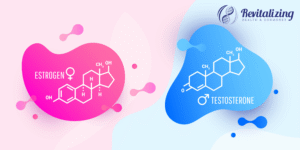

When people think about hormone health, they usually think about testosterone, estrogen, or thyroid levels.
What they don’t think about?
Zinc.
This essential trace mineral plays a critical role in hormone production, sexual function, immune health, and overall vitality. Yet zinc deficiency is more common than most people realize — especially in individuals dealing with fatigue, low libido, or hormone imbalance.
At Revitalizing Health & Hormones, we look beyond surface symptoms. And sometimes, something as simple as a micronutrient deficiency can be part of the bigger picture.
Let’s break down what the research says.
Zinc & Testosterone: What the Research Shows
Testosterone production depends on adequate zinc levels.
A 2022 systematic review published in Biological Trace Element Research analyzed 38 studies (including human clinical trials and animal research) and found:
- Zinc deficiency is associated with lower testosterone levels
- Zinc supplementation can increase testosterone levels
- The response depends on baseline zinc status, dosage, and duration
(Source: PubMed ID 36577241)
In simple terms:
If you’re deficient, correcting that deficiency may support healthier testosterone levels.
This is especially relevant for:
- Men experiencing low testosterone symptoms
- Individuals with chronic stress
- Athletes or highly active individuals
- Those with restrictive diets
Zinc & Sexual Function
Hormones influence libido — but they’re not the only factor.
Zinc also plays a direct role in sexual function.
Clinical research (including randomized controlled trials) has shown that zinc supplementation improved sexual function scores and testosterone levels in certain populations, including postmenopausal women with low zinc levels.
(Source: PubMed ID 34311679)
Zinc supports:
- Testosterone production
- Sperm health and quality
- Ovarian function
- Libido
- Sexual arousal pathways
- Nitric oxide activity (important for blood flow)
Low zinc levels have been associated with:
- Reduced libido
- Erectile dysfunction
- Poor sperm parameters
- Hormonal imbalance
Why Zinc Deficiency Happens
Even with a “normal” diet, deficiency can occur.
Common causes include:
- High stress (zinc is depleted during stress response)
- Poor gut absorption
- Chronic inflammation
- Alcohol use
- Vegetarian or low-protein diets
- Digestive disorders
Because zinc isn’t stored in large amounts in the body, consistent intake is important.
Should You Just Start Supplementing?
Not necessarily.
More is not always better.
Excess zinc can interfere with copper levels and other mineral balance. That’s why personalized lab testing and guidance matter.
At Revitalizing Health & Hormones, we evaluate:
- Comprehensive hormone panels
- Micronutrient status
- Symptoms
- Lifestyle factors
Instead of guessing, we build a plan based on your physiology.
The Bigger Picture
Zinc isn’t a “magic fix.” But it is a foundational piece of the hormone puzzle.
If you’re dealing with:
- Low libido
- Fatigue
- Brain fog
- Mood changes
- Low testosterone symptoms
- Perimenopause or menopause symptoms
Your micronutrient status may be part of the story.
Ready to Get Answers?
You don’t have to settle for “you’re just stressed” or “it’s just aging.”
If your energy, hormones, or sexual health feel off, it’s worth looking deeper.
Schedule a consultation with Revitalizing Health & Hormones at (715)666-4313 to get a personalized evaluation tailored to your body, not a one-size-fits-all protocol.
Your hormones don’t work in isolation. Neither should your care.